A grocery bag that feels heavier than it used to. A staircase that demands a handrail. Getting down to the floor to play with a grandchild, then wondering how you will get back up. These are not small inconveniences. They are daily-life strength tests. So, should seniors lift weights? For most older adults, the answer is yes, with smart programming, proper form, and coaching that meets them where they are.
Strength training is not about chasing a personal record or trying to train like a 25-year-old. It is about building usable strength for the life you want to keep living independently. The right weight training plan can improve how confidently you move, carry, climb, stand, and recover from the unexpected.
Why Seniors Should Lift Weights
Adults naturally lose muscle mass and strength as they age, especially when activity levels drop. That loss can affect more than appearance. It can make balance less reliable, reduce walking speed, make everyday tasks harder, and leave the body less prepared for a stumble, a long travel day, or a demanding weekend with family.
Lifting weights gives the body a reason to maintain and build strength. It challenges muscles, tendons, and bones in a controlled way. Over time, that work can support stronger legs for stairs, a more stable core for carrying and reaching, and better upper-body strength for pushing up from a chair or opening a heavy door.
There is also a practical confidence benefit. Many people begin avoiding activities because they do not trust their body to handle them. Intentional training changes that relationship. When you practice squatting to a bench, stepping up with control, hinging safely, and carrying a manageable load, daily movement stops feeling like a gamble.
Weight training can also support bone health, posture, coordination, and metabolic health. But the most meaningful result is often simple: you can do more on your own, with less hesitation.
The Goal Is Not Heavy. The Goal Is Capable.
“Seniors lifting weights” can bring up an unhelpful picture of crowded gyms, loaded barbells, and exercises that feel risky. That is not what effective senior training has to look like.
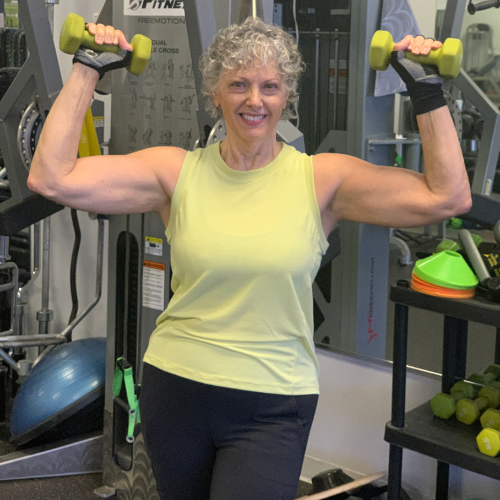
A good program may use dumbbells, resistance bands, cables, kettlebells, medicine balls, body weight, or machines. The tool matters less than the movement quality and the progression. A light dumbbell used with control can be challenging. A heavier load is only useful when a person has earned it through consistent, sound movement.
For an older adult who is new to exercise, simply learning to sit down and stand up from a bench with good alignment may be the right starting point. For someone with years of training experience, controlled deadlifts, rows, presses, carries, and split-stance work may be appropriate. Both people are strength training. Both need a plan that respects their current ability.
Core first. Always. A stable trunk helps the body transfer force efficiently and control movement under load. That does not mean endless crunches. It means learning to brace, breathe, hinge, rotate appropriately, and resist unwanted movement while the arms and legs do their work.
What Safe Strength Training Looks Like
Safe training is not the same as easy training. It means applying enough challenge to create progress without asking the body to compensate, rush, or move through pain.
A well-coached session starts with how a person moves that day. Stiff hips, a sore shoulder, poor sleep, a previous knee replacement, or balance concerns all affect the session. The answer is not automatically to skip training. Often, it is to adjust the exercise, range of motion, support, load, tempo, or volume.
For example, a squat can be performed to a box or bench instead of deep into an unsupported range. A standing press can become an incline press. A lunge can become a supported split squat. A balance drill can begin with one hand near a stable surface. These are not lesser exercises. They are intelligent progressions.
Form correction matters because older adults do not need to spend months practicing poor movement patterns. Real-time coaching helps prevent common problems such as holding the breath, rushing repetitions, shifting into one hip, rounding through the back, or letting the knees collapse inward. Small corrections add up to safer, stronger movement.
Start With Movements That Transfer to Life
The best starting exercises tend to mirror the demands of everyday life: sitting and standing, stepping, pushing, pulling, carrying, hinging, and stabilizing. Rather than isolating every muscle, a functional program teaches the body to work as a coordinated system.
That might include a chair squat, a supported row, a wall or incline push-up, a light carry, a step-up, and a hip hinge pattern. The exercises can change over time, but the purpose stays clear: stronger movement for real life.
Progress Slowly Enough to Progress Well
The fastest route is rarely the best route. Adding weight, repetitions, range of motion, or complexity too quickly can aggravate joints or expose weak movement control. Progress should be earned, not forced.
A coach may first improve consistency, then improve technique, then add a few repetitions, and only then increase resistance. For some people, the win is moving with less support. For others, it is completing the same workout with better balance and less fatigue. Progress is not limited to the number printed on a dumbbell.
When Seniors Need Extra Guidance Before Lifting
Most adults can benefit from strength training, but individual health history matters. Anyone with a new medical diagnosis, uncontrolled blood pressure, recent surgery, significant osteoporosis, ongoing chest pain, unexplained dizziness, or severe joint pain should speak with their healthcare provider before beginning or changing an exercise program.
That conversation does not mean fitness is off the table. It helps establish the right guardrails. A qualified trainer can then build sessions around those considerations instead of treating everyone the same.
Pain is another important distinction. Working muscles may feel tired, warm, or mildly sore after an unfamiliar session. Sharp pain, worsening joint pain, numbness, dizziness, or pressure in the chest is different. Pushing through those symptoms is not discipline. It is poor decision-making. The right move is to stop, assess, and seek appropriate guidance.
How Often Should Older Adults Strength Train?
For many seniors, two full-body strength sessions per week is an effective place to begin. That schedule leaves time for recovery while creating enough repetition to build skill and momentum. As fitness improves, some people may do more, but more is not automatically better.
The quality of each session matters. Thirty focused minutes can be highly productive when the workout includes a purposeful warm-up, coached strength work, balance or mobility training, and an appropriate conditioning finish. Long workouts filled with random exercises are not required to get stronger.
Recovery also deserves respect. Walking, gentle mobility work, adequate protein, hydration, and sleep all support training results. If a person is unusually sore for several days, exhausted after every workout, or noticing increasing pain, the plan may need adjustment. Good training challenges the body, then allows it to adapt.
Why Coaching Makes the Difference
For seniors, the biggest barrier is often not motivation. It is uncertainty. What should I do? How heavy should I go? Is this knee position okay? Am I working hard enough? Is this exercise right for my shoulder?
That is where a private, hands-on coaching environment matters. Instead of trying to interpret a machine diagram or copy a workout from across the room, you receive instruction based on your movement, goals, and limitations. You are coached, corrected, and progressed with intention.
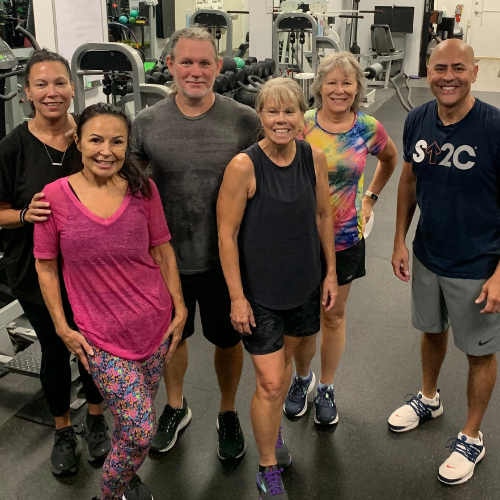
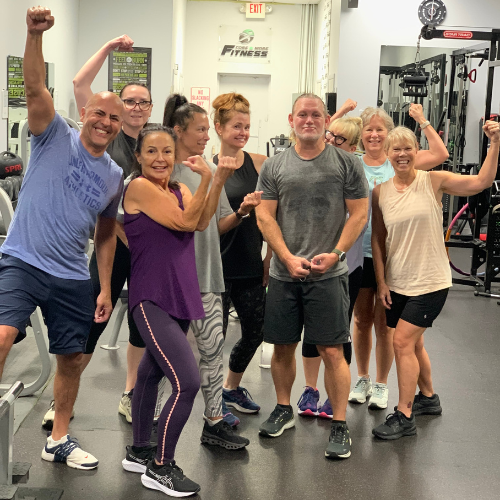
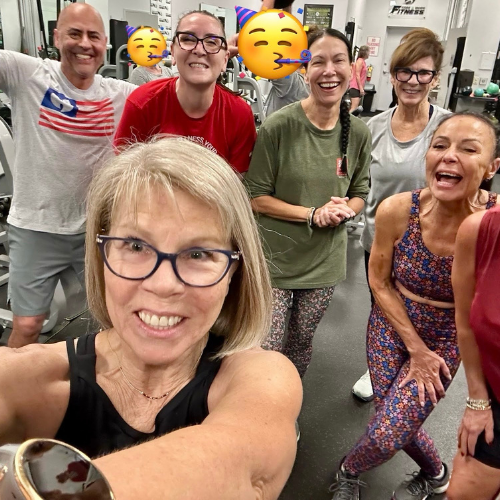
At Core & More Fitness, senior-focused training is built around core stability, functional strength, balance, mobility, and movement control. Sessions can be modified in real time, whether you are returning after a long break, managing an old injury, or already active and ready for a more structured challenge. Because you are actually coached here, the workout fits the person, not the other way around.
A Stronger Next Decade Starts With One Session
You do not need to wait until daily activities become difficult to start building strength. And you do not need to arrive already fit, flexible, or confident. Begin with a professional who can assess where you are, teach the fundamentals, and make each session appropriate for your body.
The right question is not whether you are too old to lift weights. It is what kind of strength would make your next year feel more capable, more independent, and more fully yours.