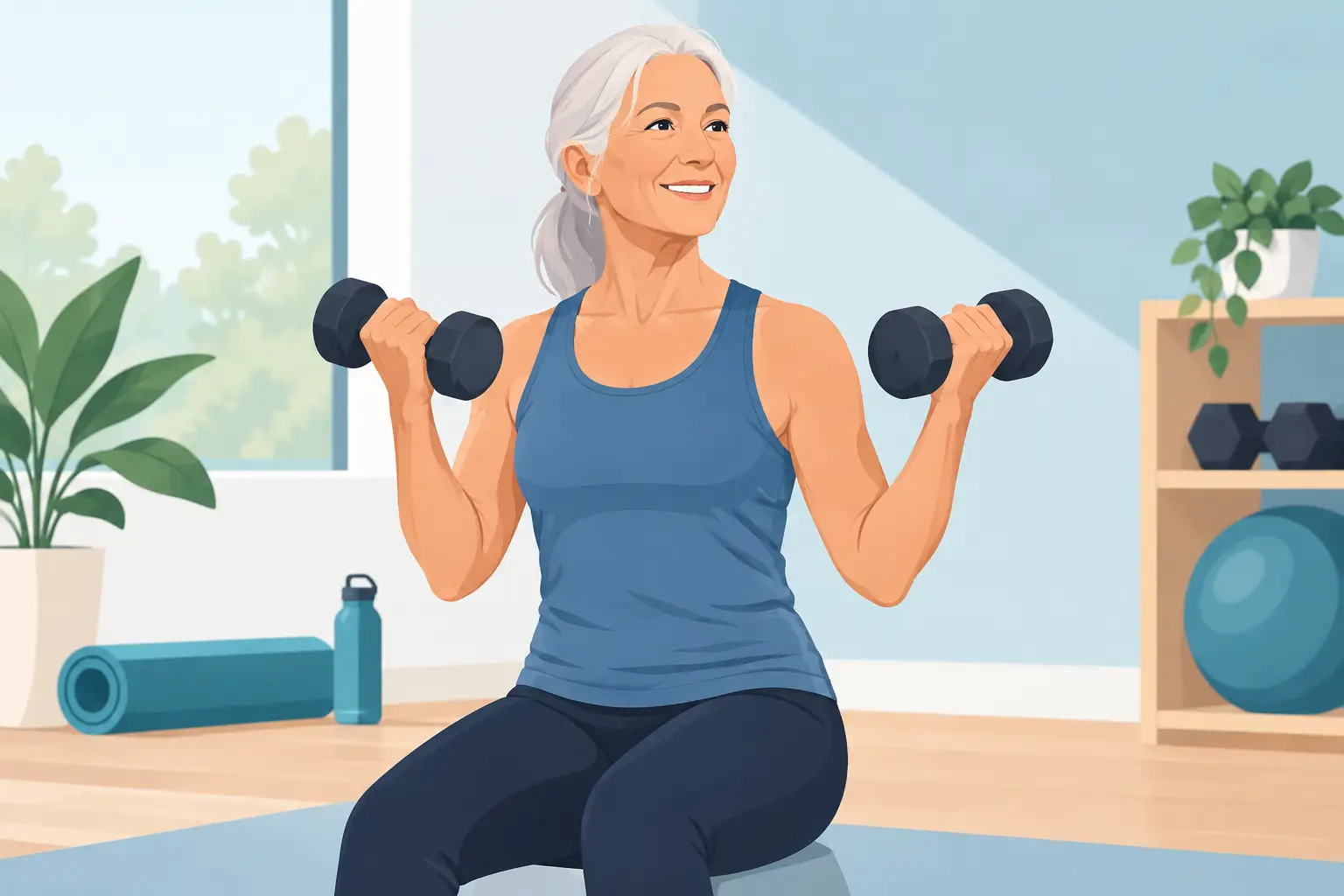
Getting up from a low chair, carrying groceries, stepping off a curb, and reaching into an overhead cabinet should not feel like calculated risks. Strength training over 60 is not about chasing someone else’s physique or proving how much weight you can lift. It is about building the muscle, balance, movement control, and confidence that make everyday life easier.
After 60, the right training plan can be one of the most practical investments you make in your independence. The wrong plan, however, can leave you sore, discouraged, or working around pain without a clear strategy. That is why intentional coaching matters. You need training that meets your body where it is and steadily moves it forward.
Why Strength Matters More After 60
Muscle mass and strength tend to decline with age, especially when daily activity becomes less demanding. That loss can show up gradually: stairs take more effort, a favorite pair of pants fits differently, balance feels less certain, or a long day of errands leaves you unusually tired.
The answer is not to avoid challenge. It is to apply challenge with control. Resistance training asks your muscles, bones, joints, and nervous system to do useful work. Over time, that work can improve your ability to stand, walk, lift, climb, carry, and recover from the physical demands of daily life.
Strength also supports balance. Balance is not simply standing on one foot. It is the ability to react when your foot catches a rug, the dog moves across the hallway, or you turn quickly to answer the door. Strong legs, a stable core, mobile hips and ankles, and better body awareness all contribute to safer movement.
There is a mental side, too. Many adults begin limiting what they do because they are worried about pain, a fall, or not being able to keep up. Consistent training rebuilds trust in your body. That confidence often carries into travel, hobbies, family time, and the routines that make life feel like your own.
Strength Training Over 60 Should Start With Movement Quality
Age does not automatically mean fragile. It does mean that form, progression, and recovery deserve more attention than ego.
A productive session should not begin by loading a barbell or rushing through a circuit. It should begin with how you move. Can you hinge at the hips without rounding your back? Can you sit down and stand up with control? Can you press or pull without your shoulders taking over? Can you keep your trunk steady while your arms and legs move?
Those answers guide exercise selection. If a movement is uncomfortable, unstable, or confusing, it can be adjusted. A squat may start as a controlled sit-to-stand from a bench. A push-up may begin at an elevated surface. A deadlift may use a kettlebell raised off the floor. These are not watered-down options. They are smart entry points that let you build strength safely.
Core First. Always.
A strong core is not about doing endless crunches. It is about creating stability so your hips, shoulders, and spine can work together. When your core can resist unwanted twisting, arching, and collapsing, everyday movements become more efficient.
That matters when you pick up a grandchild, carry a laundry basket, load a suitcase, or reach across the car for something that rolled away. Core training over 60 should focus on control: bracing, breathing, carrying, anti-rotation work, and maintaining good position during basic strength exercises.
The Best Exercises Are the Ones You Can Perform Well
There is no single perfect workout for every person over 60. Your training should account for current fitness, past injuries, joint limitations, medical history, and goals. Still, a balanced program commonly includes movement patterns that translate directly to real life:
- Squatting or sit-to-stand patterns for chair transfers, stairs, and leg strength.
- Hip-hinge patterns for safely lifting objects from lower positions.
- Push and pull exercises for posture, shoulder strength, and daily carrying tasks.
- Step-ups, split-stance work, and controlled single-leg exercises for balance and walking stability.
- Carries and core-control drills for grip strength, posture, and total-body resilience.
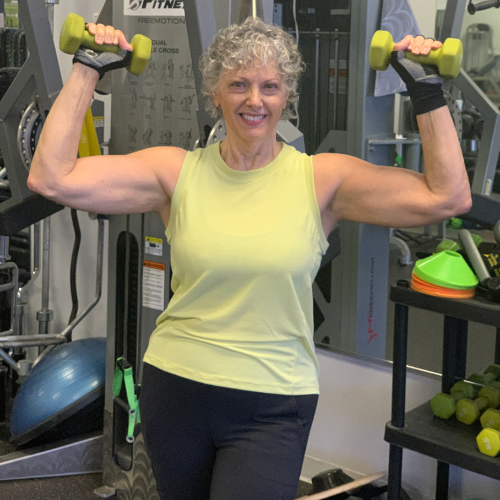
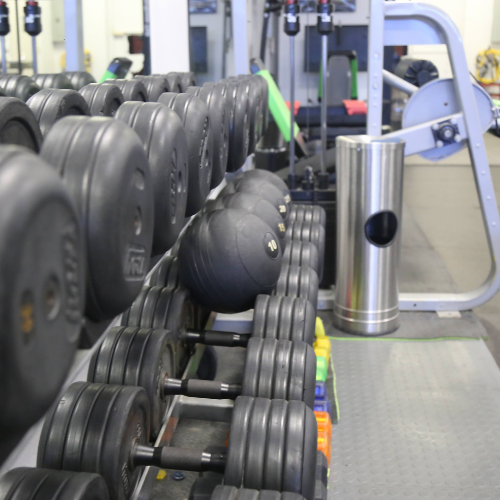
Machines, dumbbells, resistance bands, kettlebells, cables, and body weight can all be useful tools. The tool matters less than the execution. A light weight performed with excellent control is more productive than a heavier weight that forces you to compensate.
Free weights can improve coordination and stability, but machines may be a better choice when someone needs more support or is returning after a long break. The best approach often uses both. Training should fit your body, not force your body to fit a trend.
How Hard Should You Train?
You should finish a strength set feeling that you worked, not that you survived.
For many adults over 60, a useful starting point is a weight that allows roughly 8 to 15 controlled repetitions while leaving a few good reps in reserve. The final repetitions should feel challenging, but your form should stay consistent. If you have to hold your breath, twist, rush, or use momentum to finish, the load or the exercise may not be right yet.
Progress does not always mean adding weight. It can mean moving with more control, improving range of motion, completing another repetition, using less assistance, or recovering more easily between sets. These are real wins, especially when the goal is long-term capability.
Two or three full-body strength sessions per week is enough for many people to make meaningful progress. If you are new to exercise, one or two coached sessions may be the right place to begin. Consistency beats occasional all-out effort every time.
Recovery Is Part of the Program
Training creates the stimulus. Recovery is when your body adapts.
Sleep, protein, hydration, regular walking, and rest days all influence how you feel and perform. You do not need to live like an athlete, but you do need to respect the basics. A tough workout followed by several days of inactivity is less useful than steady training supported by everyday movement.
Some soreness is normal when you begin or progress a program. Sharp pain, joint swelling, numbness, dizziness, chest pressure, or symptoms that worsen during exercise are not normal signals to push through. Stop and seek appropriate medical guidance. If you have osteoporosis, joint replacement history, uncontrolled blood pressure, heart concerns, neurological conditions, or a recent injury, talk with your health care provider about the right starting point.
A qualified coach can also help distinguish between normal effort and movement that needs to be modified. That is especially valuable if you have spent years avoiding exercise because you did not know what was safe.
Why Coaching Changes the Experience
Walking into a crowded gym with no plan can be intimidating at any age. It can be even more frustrating when equipment feels unfamiliar and no one is watching your technique.
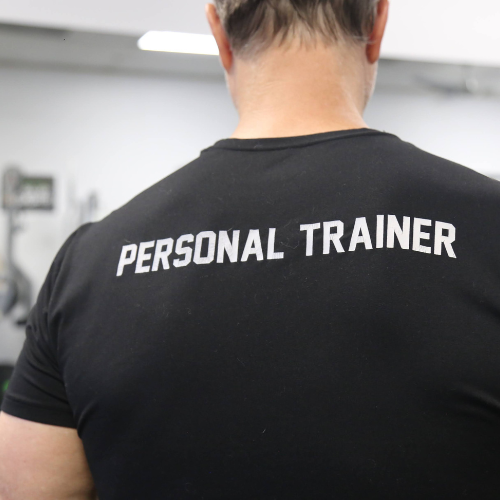
Coaching removes the guesswork. You receive a plan, real-time form correction, and adjustments based on how you move that day. If your knee is irritated, your coach can modify the range, stance, load, or exercise instead of asking you to push through it. If an exercise has become too easy, your coach can progress it before your results stall.
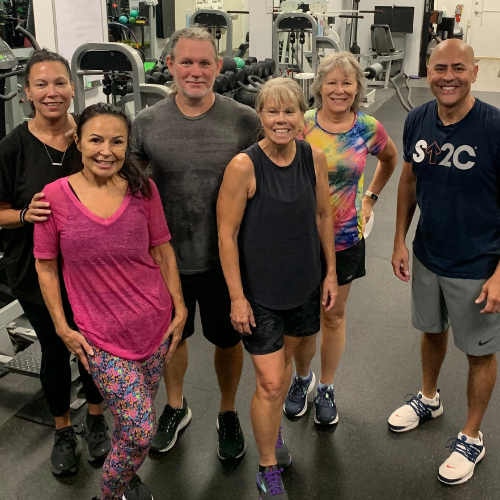
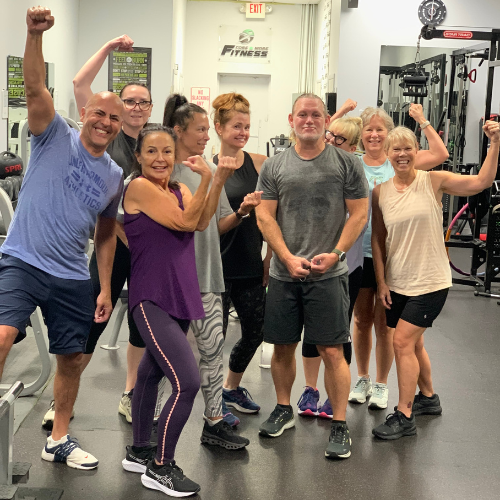
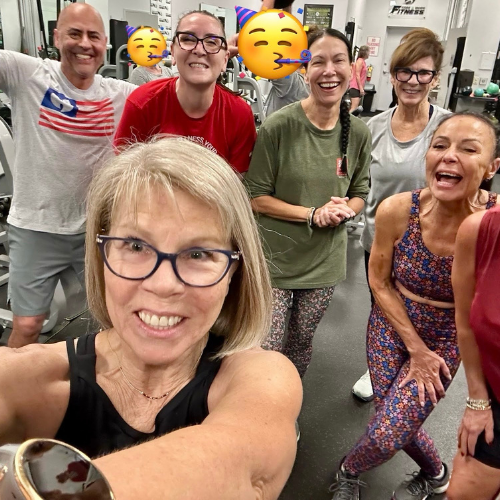
At Core & More Fitness, senior-focused training is built around the things that matter outside the studio: core stability, functional strength, balance, mobility, and practical conditioning. Small-group and personal-training formats make it possible to receive attention without being lost in a room full of people doing the same workout.
Thirty minutes can be enough when the session is focused. You do not need hours of random exercise. You need purposeful movement, appropriate resistance, and accountability to keep showing up.
A Smart First Month of Training
Your first month should build confidence, not exhaustion. Start by learning your foundational movements and identifying what feels strong, restricted, or unstable. Keep the sessions manageable enough that you can recover and return.
In the next few weeks, repeat those patterns consistently. Familiarity improves coordination. Your body learns that a squat, row, carry, or step-up is not a threat. It is a skill. Once the movement is solid, gradual progress becomes safer and more effective.
Pay attention to everyday proof of improvement. Maybe you stand up without using your hands. Maybe you take the stairs with less hesitation, carry more bags in one trip, or feel steadier when turning around. Those changes are the point.
Start where you are, train with discipline, and let good coaching make the next step clear. Stronger movement is not reserved for the young. It is built one well-coached repetition at a time.